
NEWS
-
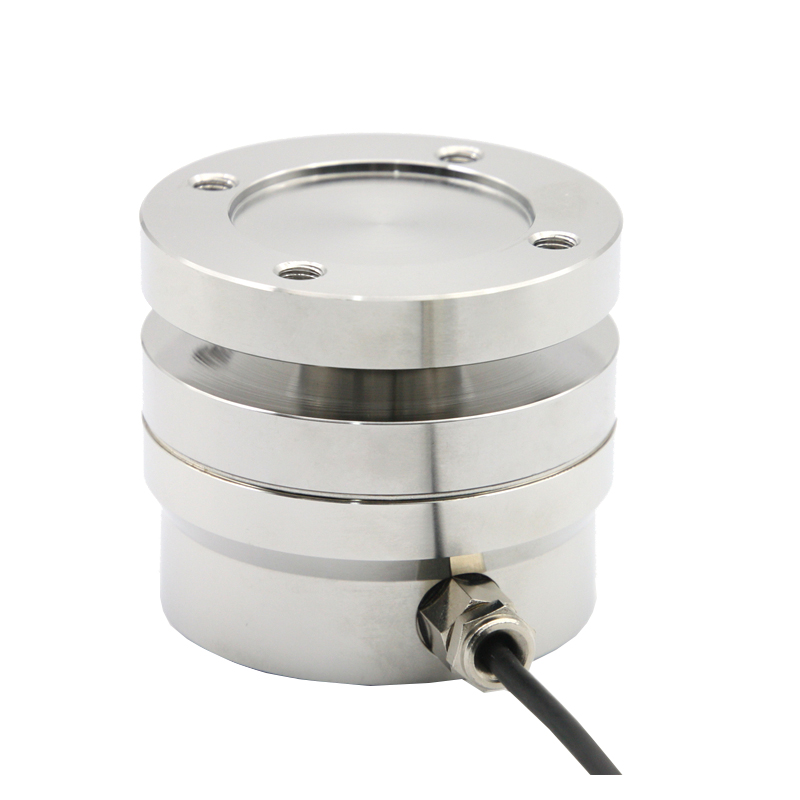
What Is the Difference Between a Force Sensor and a Pressure Sensor
As smart systems, robotics, and industrial automation become more sophisticated, sensors have taken center stage in enabling precision, safety, and efficiency. Among the most commonly used types are force sensors and pressure sensors. While these terms are often used interchangeably, they serve distinct functions and are designed for different measurement purposes. So, what exactly sets them apart?
-

2-Axis Force Sensor vs 3-Axis Force Sensor: Which One Fits Your Application Best?
In the age of smart manufacturing, robotics, and precision testing, force sensors play a vital role in capturing real-time data for control and analysis. Among the most widely used types are 2-axis and 3-axis force sensors. But how do they differ, and which one is the better choice for your specific application?
-
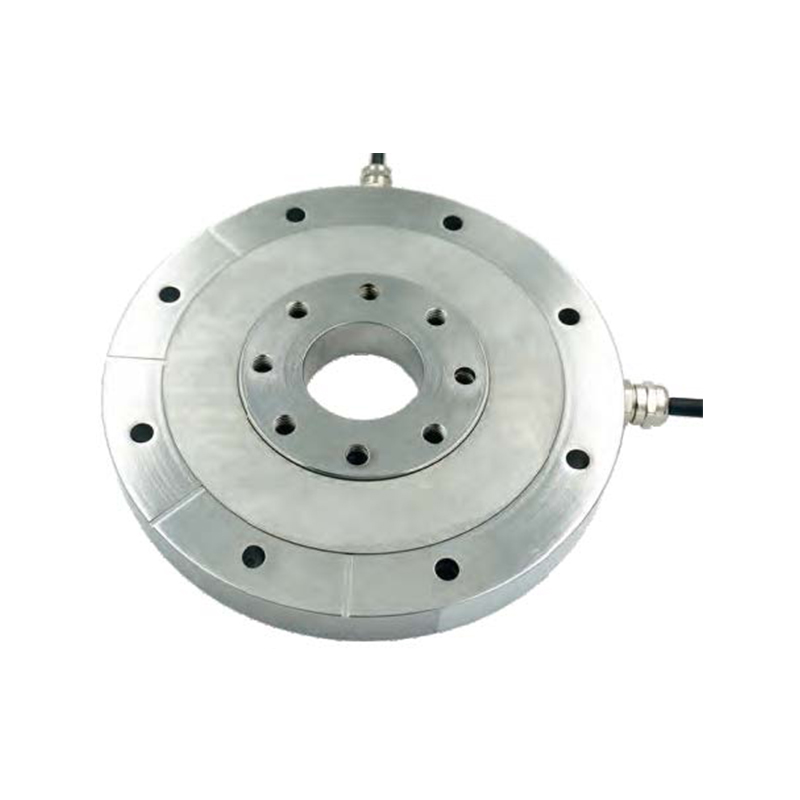
How Does a Dual Range Force Sensor Work?
In today’s high-precision engineering and industrial environments, accurate force measurement is critical. One of the most versatile tools developed to meet this need is the dual range force sensor. But how exactly does this advanced sensor work, and why is it increasingly preferred across applications in robotics, medical devices, and automated testing systems?
-
How to choose a tension pressure sensor?
When choosing a tension pressure sensor, you must first determine what force is being measured. Force sensors are divided into mechanical force and pneumatic (hydraulic) force.
-

Design and research of a new type of high-precision six-axis force sensor
Traditional single-axis force sensors can no longer meet the needs of modern production and technology. Six-axis force sensors are increasingly attracting the attention of many scholars.
-

Working principle of pressure sensor
Pressure sensor is actually receiving more and more attention due to its simple structure, excellent linearity and stability, and high output accuracy.
-

Sharing of knowledge about torque sensors
The torque sensor can currently be divided into two types: contact and non-contact. The non-contact torque sensor is also called a sliding variable torque sensor.
-

What is a force sensor? What are its types?
Force is the direct cause of the change in the movement of matter. Force sensors can detect mechanical quantities such as tension, pull, pressure, weight, torque, internal stress and strain.

