
NEWS
-
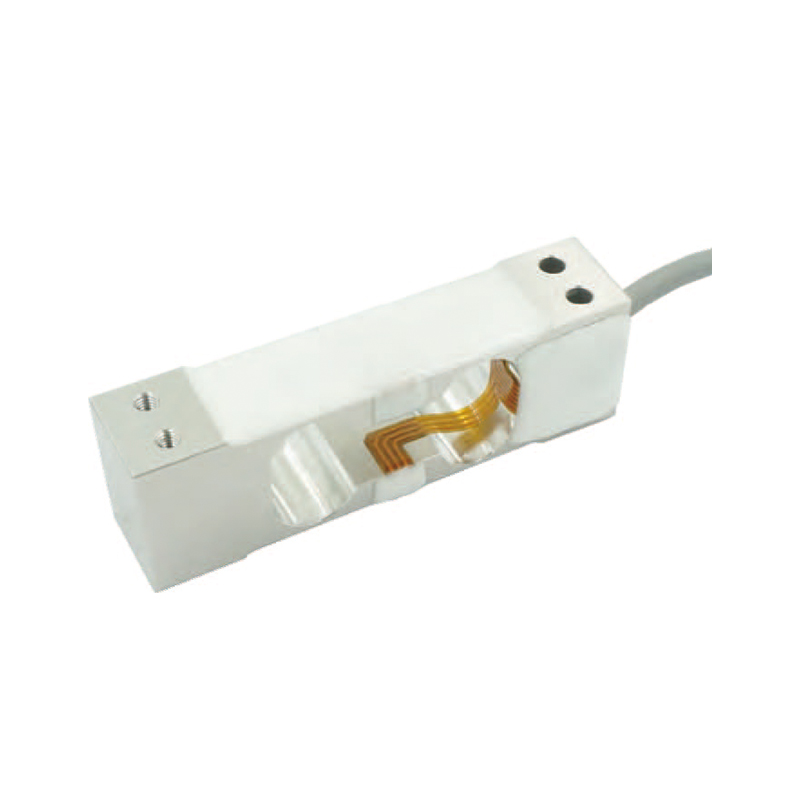
Single Point Load Cell Market Outlook: Growth Opportunities in Precision Weighing and Automation
The global weighing and measurement industry is entering a new stage of development driven by industrial automation, smart manufacturing, logistics modernization, and the growing demand for accurate real-time data.
-
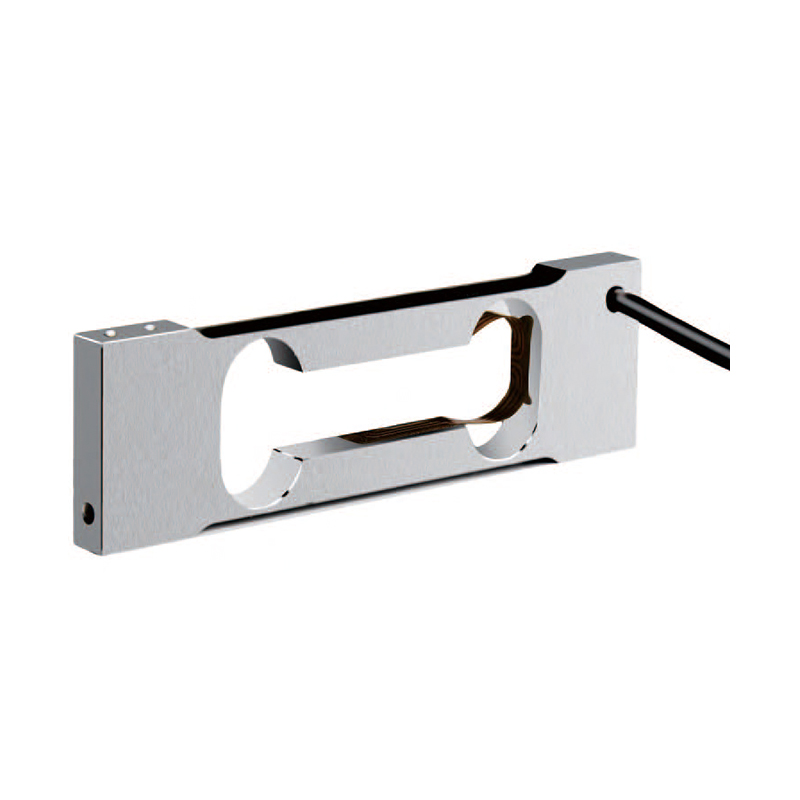
Single Point Load Cell Applications: Accurate Weighing for Industrial and Commercial Systems
A Single Point Load Cell is widely used in electronic weighing equipment because it can accurately measure loads while maintaining stable performance under different operating conditions.
-
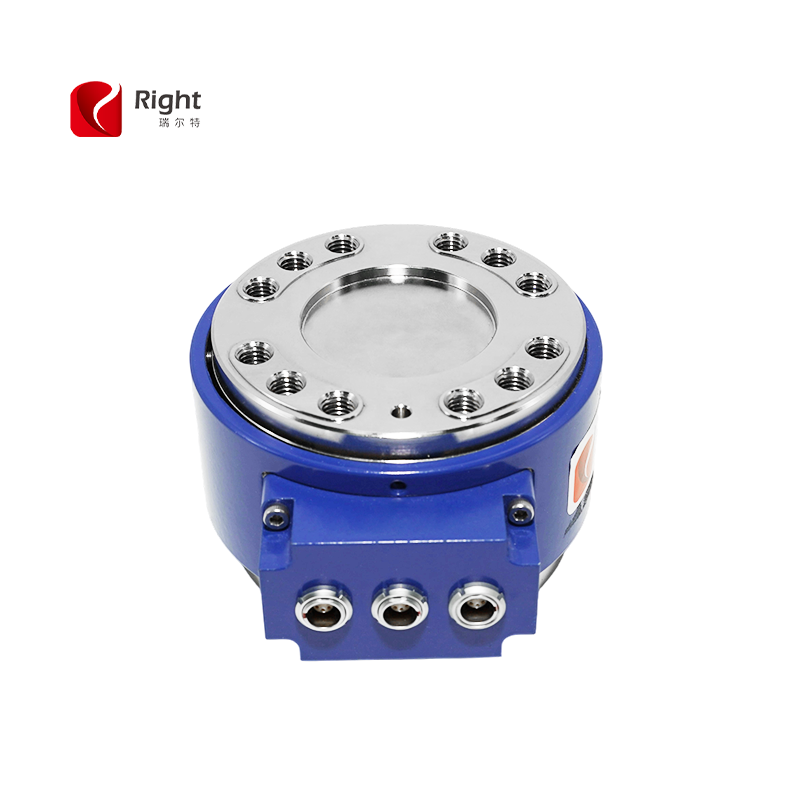
Aerospace Testing Lab Accelerates Structural Validation Using 3-Axis Force Sensors
AeroTest Dynamics, an independent aerospace materials and structures laboratory, has upgraded its load-frame and fatigue-testing cells with high-capacity 3-axis force sensors. The move supports more realistic multi-directional loading simulations required by next-generation aircraft and satellite components.
-
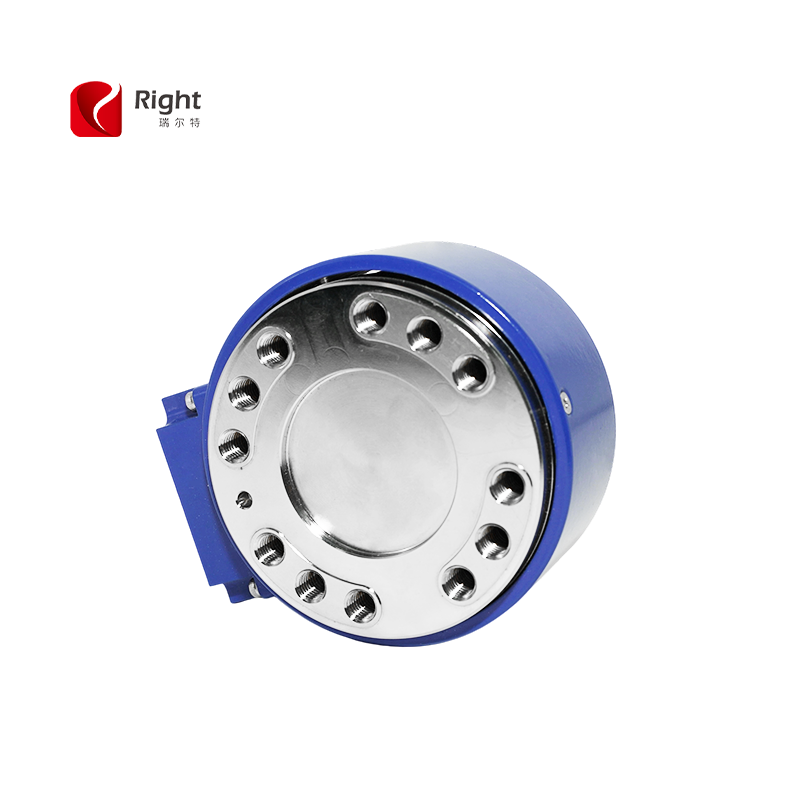
Medical Device Innovator Achieves Safer Minimally Invasive Surgery with 3-Axis Force Sensing
Surgical robotics company MedForce Systems has successfully completed clinical validation of its new laparoscopic platform after embedding compact 3-axis force sensors at the instrument tip.
-
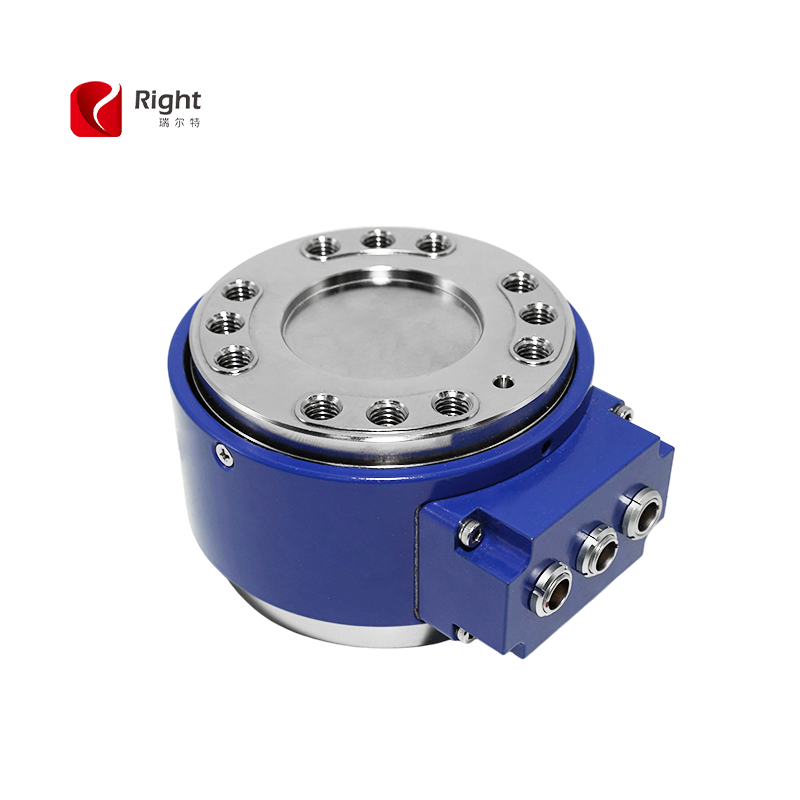
Precision Robotics Manufacturer Boosts Assembly Accuracy with 3-Axis Force Sensors
Leading collaborative robot specialist Apex Robotics announced today that integrating high-resolution 3-axis force sensors into its latest assembly-line cobots has delivered measurable gains in quality and throughput at multiple automotive electronics plants.
-
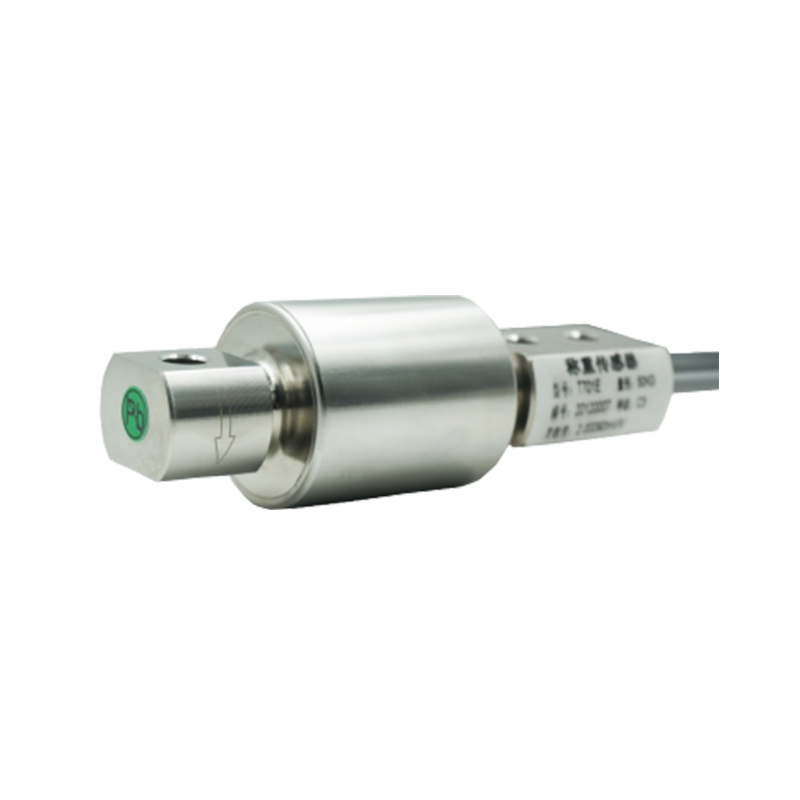
Changzhou Right Measurement Launches New Bellows Type Load Cell: The Ultimate Solution for Hygienic & Harsh Environments
CHANGZHOU, CHINA – Changzhou Right Measurement And Control System CO., LTD., a leading innovator in industrial weighing technology, is proud to announce the official launch of its latest Bellows Type Load Cell. Engineered for precision and built to withstand the world’s most demanding production lines, this new product is set to redefine reliability in the food, pharma, and packaging sectors.
-
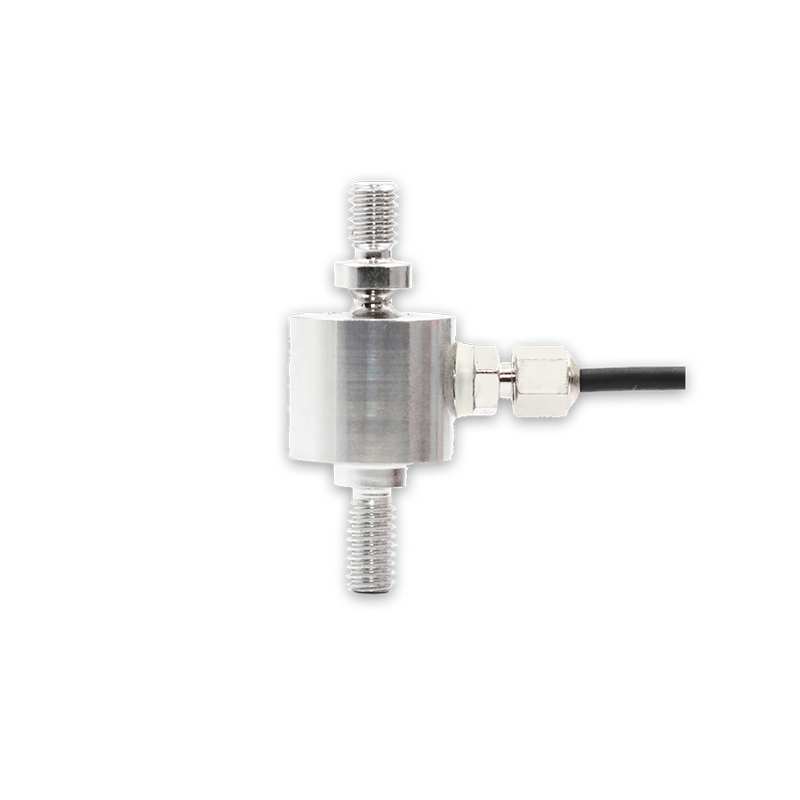
Precision in Small Spaces: Changzhou Right Measurement Unveils New High-Performance Miniature Compression and Tension Load Cells
Precision in Small Spaces: Changzhou Right Measurement Unveils New High-Performance Miniature Compression and Tension Load Cells
-
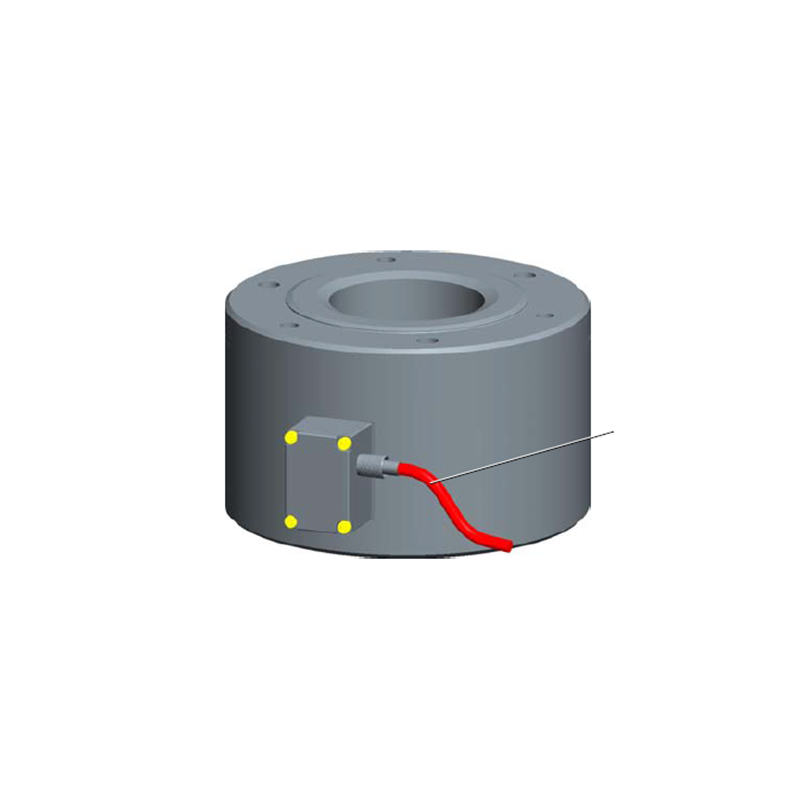
Can a Column Force Sensor Be Used for Structural Health Monitoring
Structural health monitoring (SHM) has become increasingly important in modern engineering as infrastructure systems grow larger, more complex, and more demanding in terms of safety and reliability. Bridges, buildings, industrial frames, and heavy machinery all rely on accurate load information to detect early signs of damage or fatigue. In this context, column force sensors are gaining attention as a practical solution for long-term structural monitoring. But can a column force sensor truly be used for structural health monitoring? The answer is yes—when applied correctly.
-
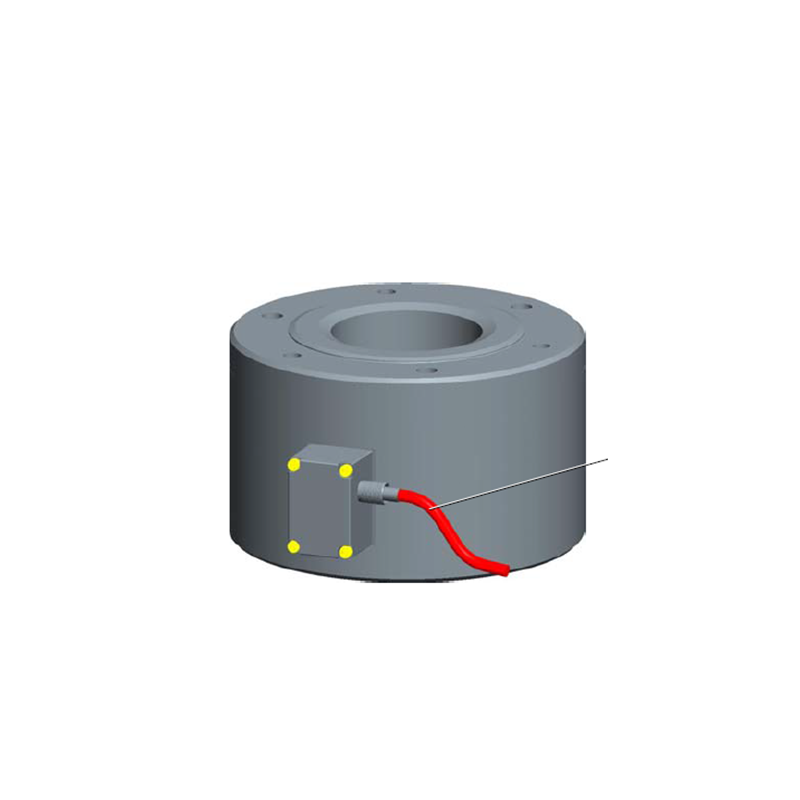
How to Calibrate a Column Compression Force Sensor in the Field
Column compression force sensors are widely used in heavy-duty industrial applications such as press machines, structural testing, load monitoring, and weighing systems. Field calibration is essential to ensure accurate force measurement, especially after installation, maintenance, or long-term operation. Unlike laboratory calibration, field calibration must account for real operating conditions while minimizing downtime. This article explains how to calibrate a column compression force sensor in the field using practical and reliable methods.
-
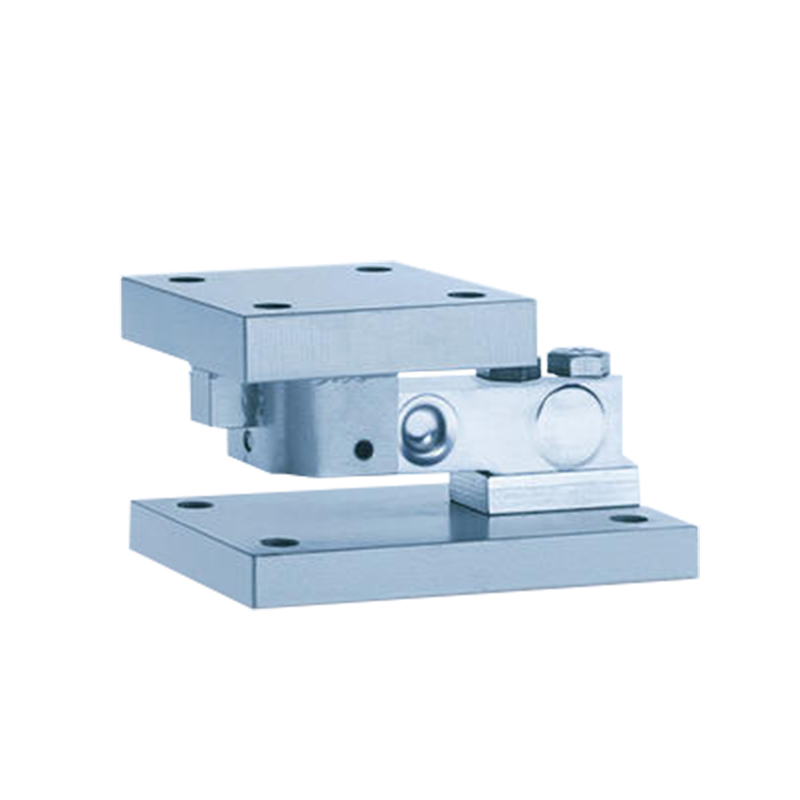
Common Troubleshooting for Weighing Module Communication Errors
Weighing modules are essential components in modern industrial weighing systems, enabling accurate data transmission between load cells, junction boxes, and control systems. In applications such as silos, tanks, conveyors, and platform scales, stable communication is critical for reliable weight measurement and process control. However, communication errors can occur due to a variety of mechanical, electrical, and environmental factors. Understanding common issues and how to troubleshoot them helps minimize downtime and maintain system accuracy.
-

How to Calibrate a Multi-Module Industrial Weighing System
Multi-module industrial weighing systems are widely used in silos, tanks, hoppers, conveyor scales, and heavy-duty platforms where multiple load cells work together to measure weight accurately. Proper calibration is essential to ensure consistent readings, regulatory compliance, and reliable process control. This article explains how to calibrate a multi-module industrial weighing system, outlining best practices that help maintain long-term accuracy and performance.
-
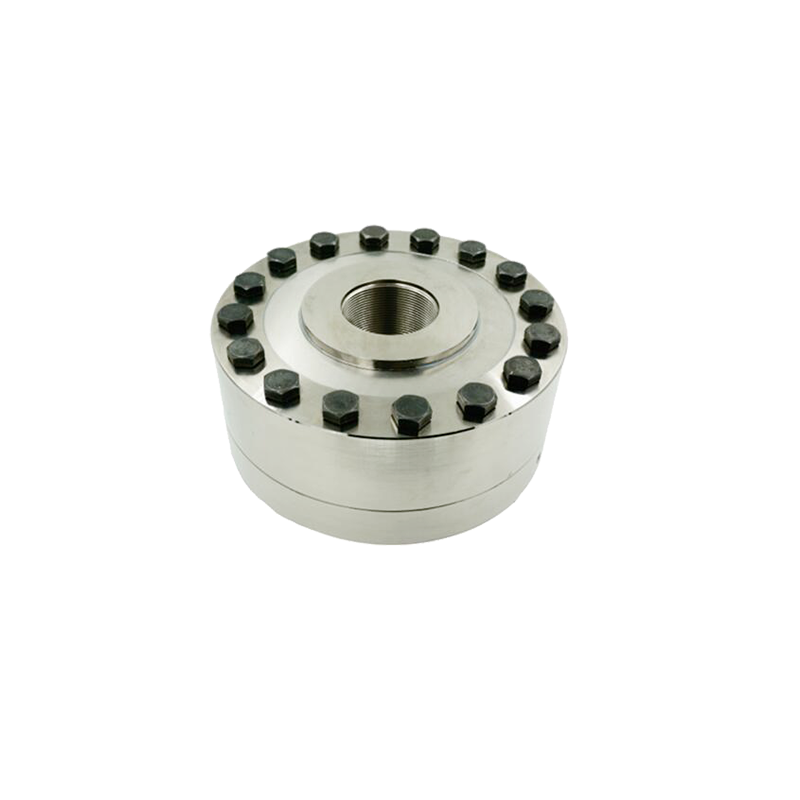
What Causes a Flange Force Sensor to Give Unstable Readings
Flange force sensors are widely used in industrial applications to measure clamping force, compression, and preload in bolted joints, flanged connections, and mechanical assemblies. Their ability to provide real-time feedback is critical for ensuring safety, performance, and reliability. However, in practice, users sometimes encounter unstable or fluctuating readings, which can compromise system accuracy and operational efficiency. Understanding the common causes of unstable readings can help engineers and technicians maintain precise force measurement.

