
What Factors Affect the Accuracy of a Bellow Load Cell
2025-12-10
Bellow load cells are widely used in industrial weighing systems, especially in applications such as tanks, silos, hoppers, and batching processes. Their compact structure and ability to handle compression loads make them a popular choice across manufacturing, chemical processing, and food industries. However, achieving reliable and precise measurements depends on multiple factors. Understanding what affects the accuracy of a bellow load cell is essential for system designers, engineers, and operators who want consistent weighing results.
1. Installation and Mounting Conditions
One of the most critical factors influencing accuracy is how the bellow load cell is mounted. Improper installation can introduce side loads, bending moments, or uneven force distribution. Bellow load cells are designed primarily for axial compression; any off-axis force can cause measurement errors.
Key installation considerations include:
-
Ensuring a flat, rigid mounting surface
-
Maintaining correct alignment between the load cell and the applied force
-
Avoiding over-constraining the structure, which can restrict natural movement
A well-designed mounting system helps the load cell operate within its intended mechanical limits.
2. Load Distribution and Overload
Uneven load distribution is another common cause of inaccurate readings. In multi-load-cell systems, such as large tanks or platforms, unequal loading can cause some sensors to operate outside their optimal range.
Additionally, overload conditions—whether sudden impact loads or long-term overcapacity—can permanently affect the elastic element of a bellow load cell. Even if the sensor continues to function, its calibration and linearity may be compromised, reducing overall accuracy.
3. Environmental Factors
Environmental conditions play a significant role in load cell performance. Temperature changes, humidity, dust, and corrosive substances can all influence accuracy.
-
Temperature variation can cause material expansion or contraction, leading to signal drift.
-
Moisture and humidity may affect insulation resistance and signal stability.
-
Corrosive environments can damage the bellow structure if the load cell is not properly sealed or made from suitable materials like stainless steel.
Choosing a load cell with appropriate environmental protection ratings and temperature compensation is essential for stable performance.
4. Electrical Interference and Signal Quality
Bellow load cells rely on small electrical signals, which makes them sensitive to electromagnetic interference (EMI). Poor grounding, improper cable routing, or proximity to high-power equipment can introduce noise into the signal.
To maintain accuracy:
-
Use shielded cables
-
Ensure proper grounding of the weighing system
-
Keep signal cables away from motors, inverters, and high-voltage lines
High-quality instrumentation and stable power supply also contribute to better measurement accuracy.
5. Calibration and Maintenance
Even a perfectly installed load cell will lose accuracy over time without proper calibration. Mechanical wear, material fatigue, and environmental exposure can cause gradual changes in sensor output.
Regular calibration using certified weights ensures that the bellow load cell continues to provide accurate readings. Routine inspection for physical damage, corrosion, or mounting issues is equally important for long-term reliability.
6. Application-Specific Design Factors
Finally, the suitability of the load cell for a specific application affects accuracy. Factors such as rated capacity, sensitivity, creep, and hysteresis should match the actual working conditions. Selecting a bellow load cell with an appropriate safety margin and performance specifications helps minimize errors in real-world use.
Conclusion
The accuracy of a bellow load cell is not determined by the sensor alone, but by a combination of mechanical, environmental, electrical, and operational factors. Proper mounting, balanced loading, controlled environmental conditions, clean signal transmission, and regular calibration all play vital roles. By understanding and managing these factors, users can significantly improve measurement precision and ensure reliable performance in demanding industrial applications.
RELATED NEWS
-
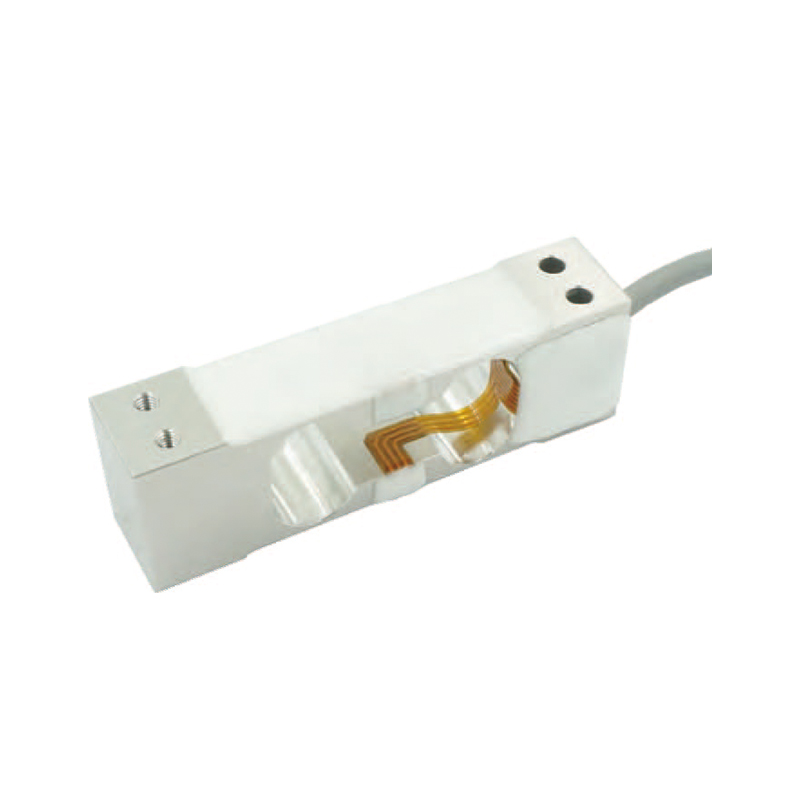
Single Point Load Cell Market Outlook: Growth Opportunities in Precision Weighing and Automation
The global weighing and measurement industry is entering a new stage of development driven by industrial automation, smart manufacturing, logistics modernization, and the growing demand for accurate real-time data.
-
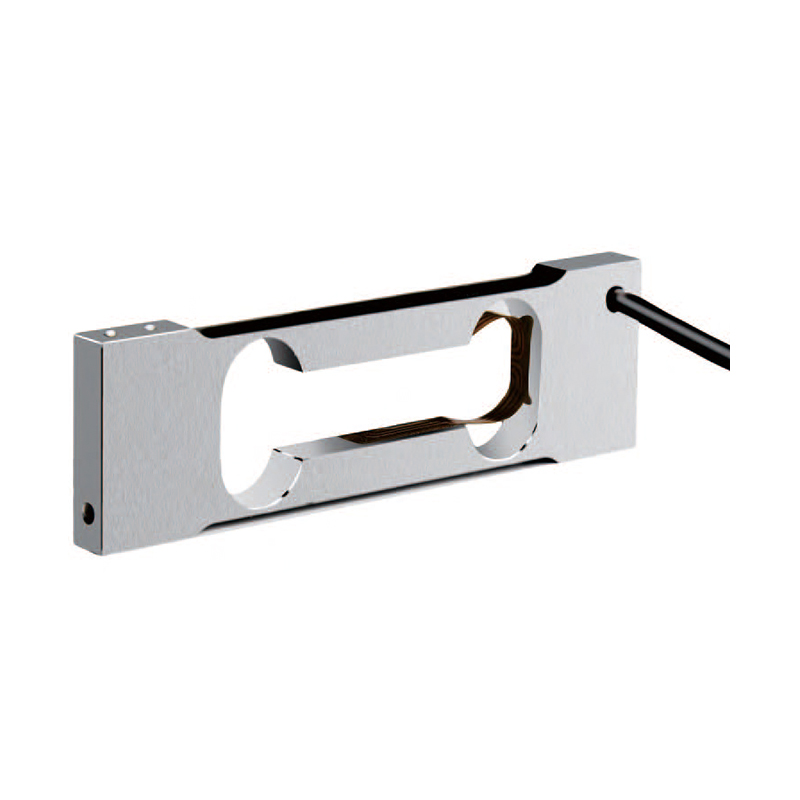
Single Point Load Cell Applications: Accurate Weighing for Industrial and Commercial Systems
A Single Point Load Cell is widely used in electronic weighing equipment because it can accurately measure loads while maintaining stable performance under different operating conditions.
-
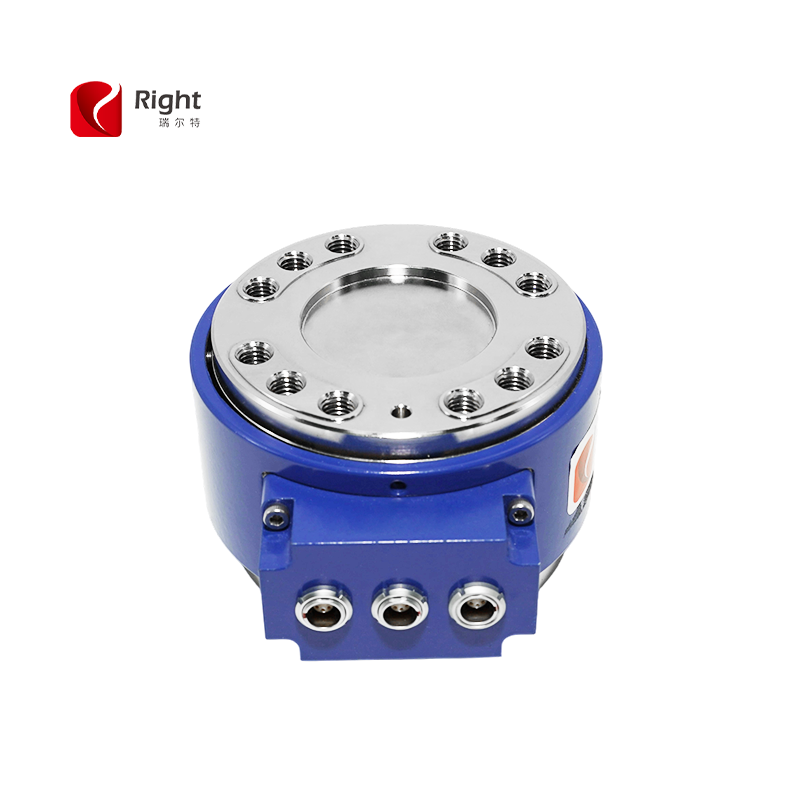
Aerospace Testing Lab Accelerates Structural Validation Using 3-Axis Force Sensors
AeroTest Dynamics, an independent aerospace materials and structures laboratory, has upgraded its load-frame and fatigue-testing cells with high-capacity 3-axis force sensors. The move supports more realistic multi-directional loading simulations required by next-generation aircraft and satellite components.
-
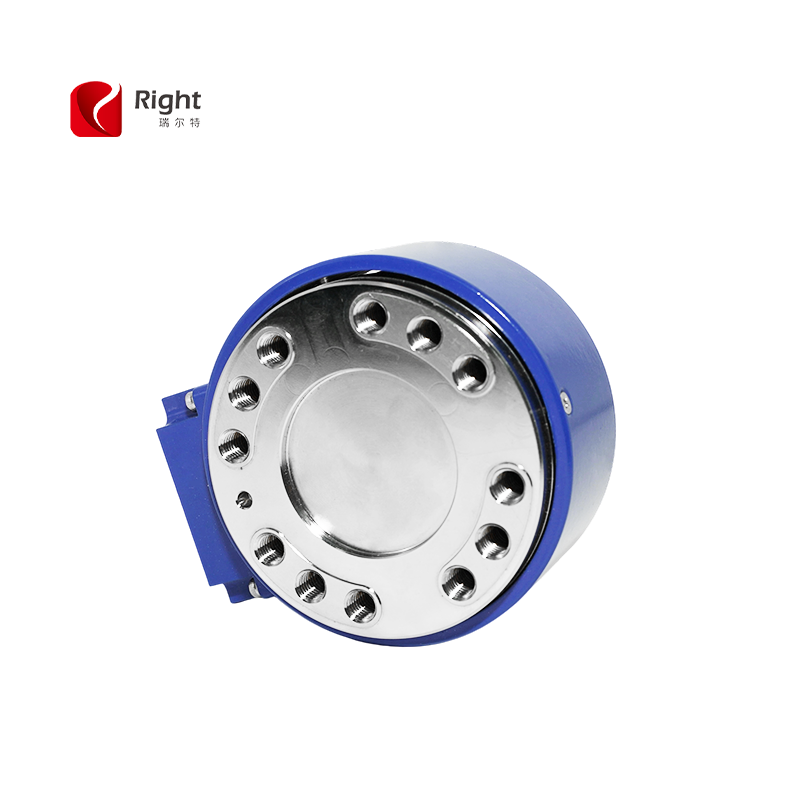
Medical Device Innovator Achieves Safer Minimally Invasive Surgery with 3-Axis Force Sensing
Surgical robotics company MedForce Systems has successfully completed clinical validation of its new laparoscopic platform after embedding compact 3-axis force sensors at the instrument tip.
-
Precision Robotics Manufacturer Boosts Assembly Accuracy with 3-Axis Force Sensors
Leading collaborative robot specialist Apex Robotics announced today that integrating high-resolution 3-axis force sensors into its latest assembly-line cobots has delivered measurable gains in quality and throughput at multiple automotive electronics plants.
-
Precision in Small Spaces: Changzhou Right Measurement Unveils New High-Performance Miniature Compression and Tension Load Cells
Precision in Small Spaces: Changzhou Right Measurement Unveils New High-Performance Miniature Compression and Tension Load Cells
-
Changzhou Right Measurement Launches New Bellows Type Load Cell: The Ultimate Solution for Hygienic & Harsh Environments
CHANGZHOU, CHINA – Changzhou Right Measurement And Control System CO., LTD., a leading innovator in industrial weighing technology, is proud to announce the official launch of its latest Bellows Type Load Cell. Engineered for precision and built to withstand the world’s most demanding production lines, this new product is set to redefine reliability in the food, pharma, and packaging sectors.
-
Can a Column Force Sensor Be Used for Structural Health Monitoring
Structural health monitoring (SHM) has become increasingly important in modern engineering as infrastructure systems grow larger, more complex, and more demanding in terms of safety and reliability. Bridges, buildings, industrial frames, and heavy machinery all rely on accurate load information to detect early signs of damage or fatigue. In this context, column force sensors are gaining attention as a practical solution for long-term structural monitoring. But can a column force sensor truly be used for structural health monitoring? The answer is yes—when applied correctly.
-
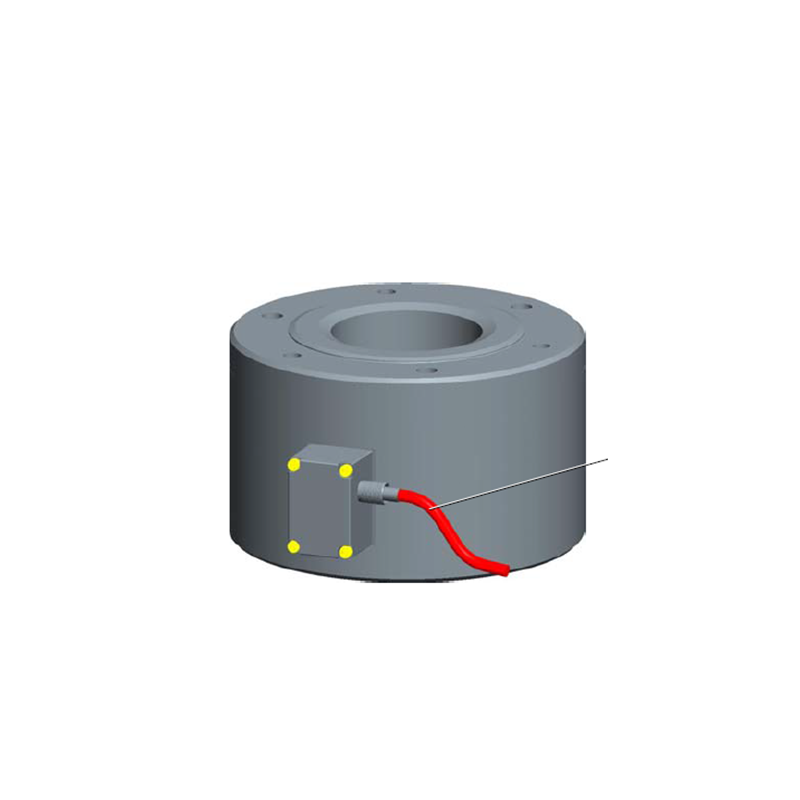
How to Calibrate a Column Compression Force Sensor in the Field
Column compression force sensors are widely used in heavy-duty industrial applications such as press machines, structural testing, load monitoring, and weighing systems. Field calibration is essential to ensure accurate force measurement, especially after installation, maintenance, or long-term operation. Unlike laboratory calibration, field calibration must account for real operating conditions while minimizing downtime. This article explains how to calibrate a column compression force sensor in the field using practical and reliable methods.
-
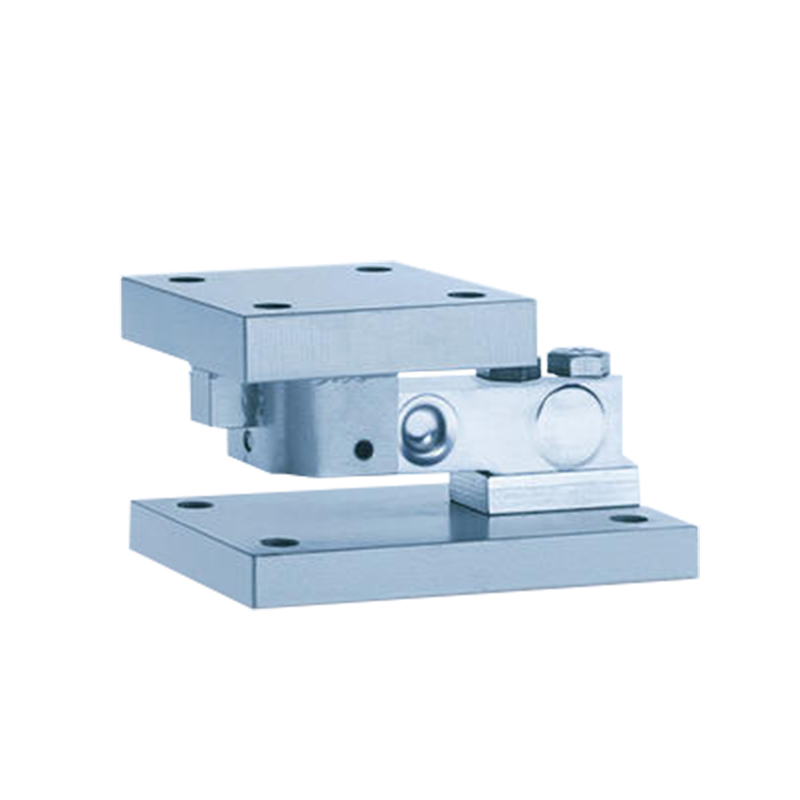
Common Troubleshooting for Weighing Module Communication Errors
Weighing modules are essential components in modern industrial weighing systems, enabling accurate data transmission between load cells, junction boxes, and control systems. In applications such as silos, tanks, conveyors, and platform scales, stable communication is critical for reliable weight measurement and process control. However, communication errors can occur due to a variety of mechanical, electrical, and environmental factors. Understanding common issues and how to troubleshoot them helps minimize downtime and maintain system accuracy.
-

How to Calibrate a Multi-Module Industrial Weighing System
Multi-module industrial weighing systems are widely used in silos, tanks, hoppers, conveyor scales, and heavy-duty platforms where multiple load cells work together to measure weight accurately. Proper calibration is essential to ensure consistent readings, regulatory compliance, and reliable process control. This article explains how to calibrate a multi-module industrial weighing system, outlining best practices that help maintain long-term accuracy and performance.
-
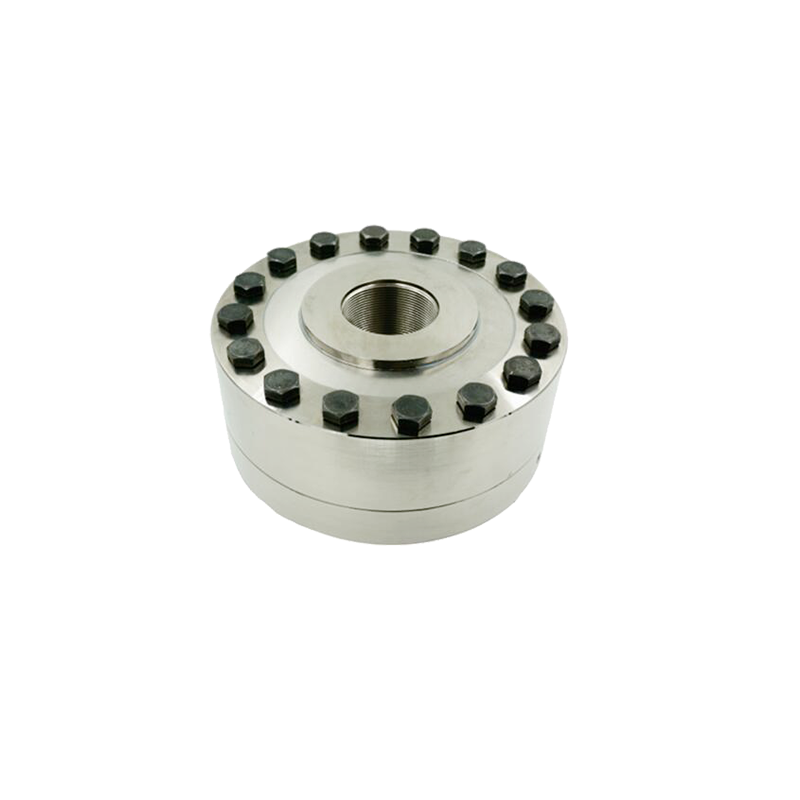
What Causes a Flange Force Sensor to Give Unstable Readings
Flange force sensors are widely used in industrial applications to measure clamping force, compression, and preload in bolted joints, flanged connections, and mechanical assemblies. Their ability to provide real-time feedback is critical for ensuring safety, performance, and reliability. However, in practice, users sometimes encounter unstable or fluctuating readings, which can compromise system accuracy and operational efficiency. Understanding the common causes of unstable readings can help engineers and technicians maintain precise force measurement.
-
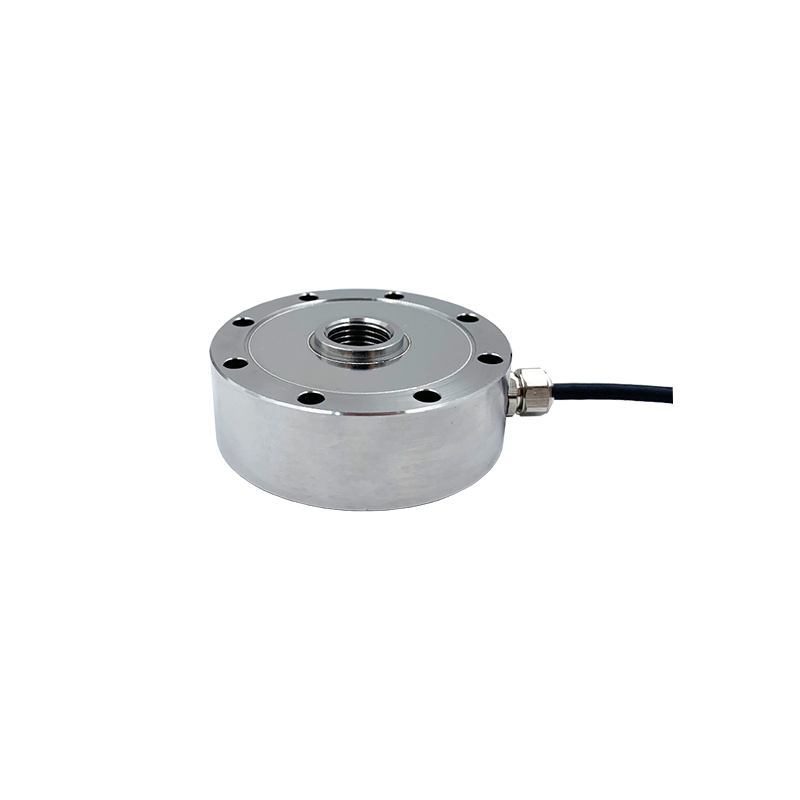
How to Install a Flange Compression Force Sensor on a Bolted Joint
Flange compression force sensors are widely used to measure clamping force and preload in bolted joints across industries such as mechanical engineering, energy, automotive, and industrial automation. Correct installation is essential to ensure accurate force measurement, long-term stability, and reliable data. This guide explains how to properly install a flange compression force sensor on a bolted joint, with practical steps and best practices suitable for engineers and technical users.
-
How to Select a Single Point Load Cell for a Bench Scale
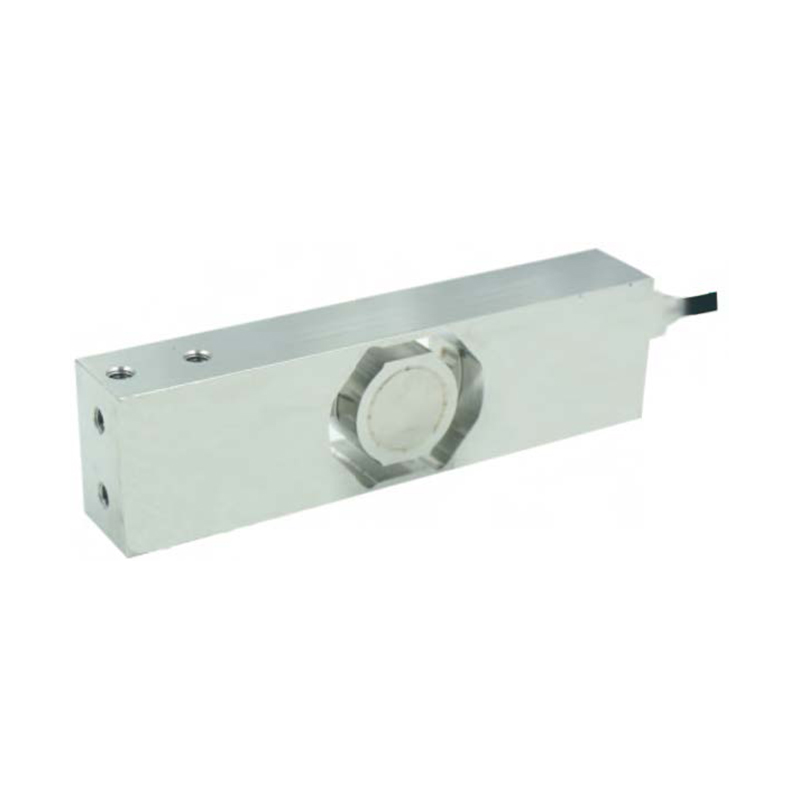
Bench scales, also known as tabletop or platform scales, are widely used in retail, laboratories, warehouses, and light industrial environments. At the heart of these weighing systems is the single point load cell, a sensor specifically designed to deliver accurate measurements even when loads are placed off-center. Selecting the right single point load cell for a bench scale is essential for achieving long-term accuracy, reliability, and compliance with application requirements.
-
What Is the Working Principle of a Single Point Load Cell
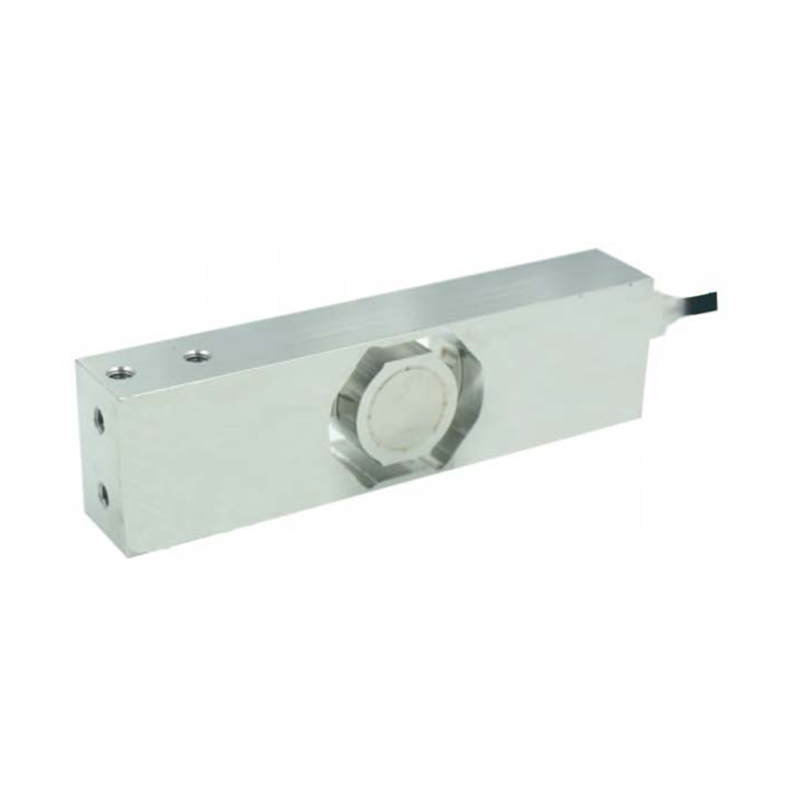
Single point load cells are among the most commonly used weighing sensors in modern measurement systems. They are widely found in electronic retail scales, bench scales, medical equipment, and light industrial weighing platforms. For beginners or users seeking a clear technical understanding, learning how a single point load cell works provides a solid foundation for understanding load measurement technology.
-
How to Properly Mount a Bellow Type Load Cell
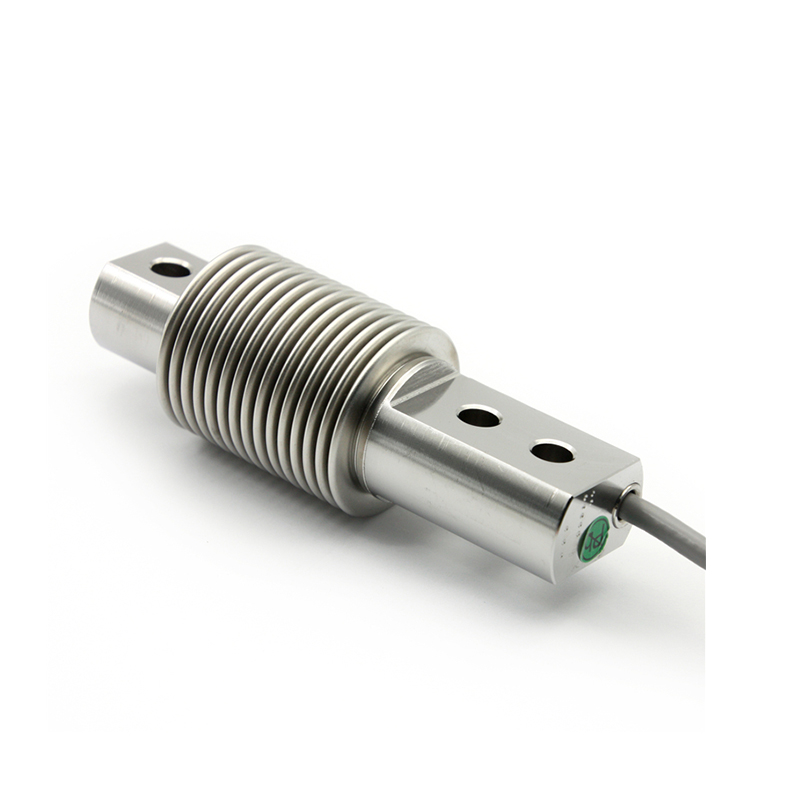
Bellow type load cells are widely used in industrial weighing applications such as tanks, hoppers, silos, and batching systems. Known for their high accuracy and ability to compensate for misalignment, these load cells still require correct installation to deliver reliable and long-term performance. Understanding how to properly mount a bellow type load cell is essential for achieving precise measurement and protecting the sensor from damage.
-

What Is a 6 Axis Force Sensor
As automation, robotics, and intelligent manufacturing continue to advance, precise force and torque measurement has become increasingly important. Among the most advanced sensing technologies is the 6 axis force sensor, a device designed to measure complex mechanical interactions in multiple directions. Understanding what a 6 axis force sensor is and how it works helps engineers and system integrators improve accuracy, safety, and performance in modern applications.
-

Asia's Top Agricultural Machinery Event is Coming, and Changzhou Right Will Showcase its Core Technologies.
A golden autumn in Jingchu promises fruitful results! The 2025 China International Agricultural Machinery Exhibition (Wuhan Agricultural Machinery Exhibition) will grandly open at the Wuhan International Expo Center from October 26th to 28th.
-
Invitation | Right Technology sincerely invites you to attend the 2025 IEEE/RSJ International Conference on Intelligent Robots and Systems.
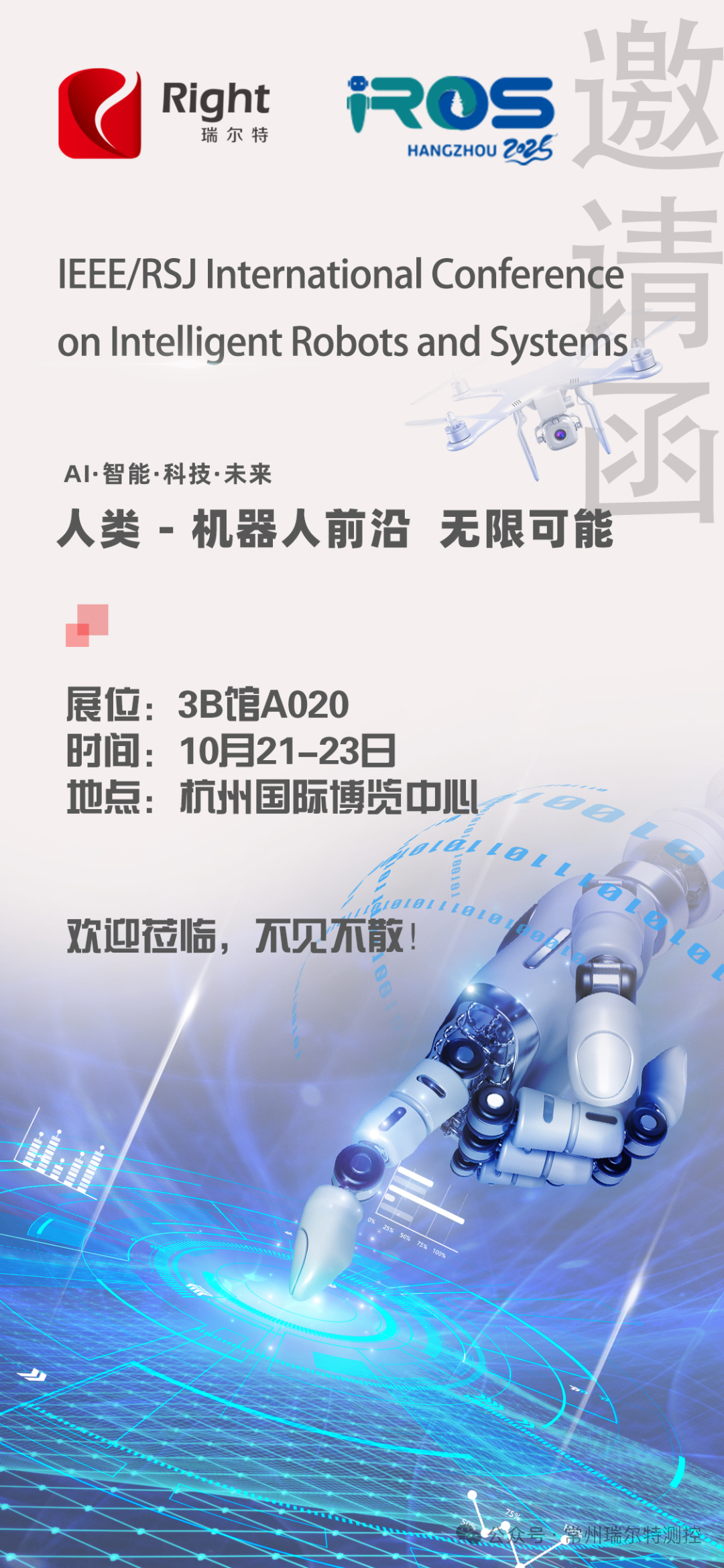
From October 19th to 25th, the 2025 IEEE/RSJ International Conference on Intelligent Robots and Systems (IROS 2025), one of the world's two leading international conferences in the field of robotics, will take place at the Hangzhou International Expo Center.
-
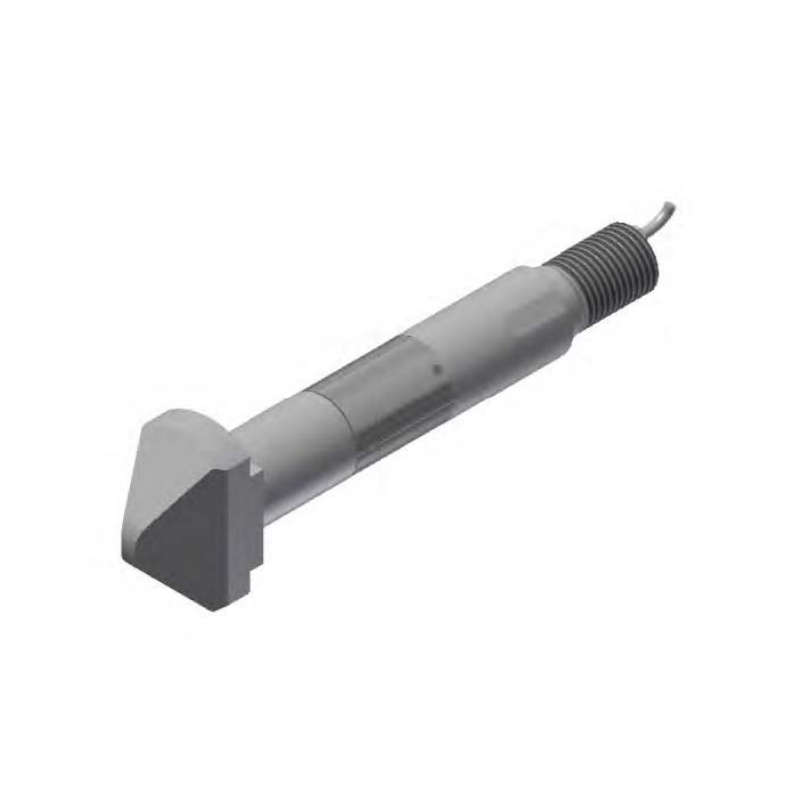
RIGHT MEASUREMENT AND CONTROL SYSTEM Launches Advanced Custom Pin Load Cell for Precision Applications
In today’s rapidly advancing industrial world, the need for accurate and reliable force measurement solutions is greater than ever. Recognizing this demand, RIGHT MEASUREMENT AND CONTROL SYSTEM has introduced its latest innovation: the Custom Pin Load Cell, designed to deliver exceptional precision, durability, and adaptability across multiple industries.
-
Does an Amplifier Increase Sound
In the world of audio technology, few questions are as common as: Does an amplifier increase sound? The simple answer is yes—but not in the way many people think. An amplifier does not directly create sound. Instead, it strengthens weak electrical signals so that speakers can convert them into louder and clearer audio. Without an amplifier, many sound systems would be unable to produce the powerful, high-quality sound we experience in music, movies, and communication devices.
-
What Are the Three Types of Amplifiers?
In the field of electronics and audio engineering, amplifiers play a central role in enhancing weak signals and making them strong enough for practical use. From music systems to communication devices, amplifiers are everywhere. However, not all amplifiers are the same. In fact, they are generally categorized into three main types, each serving a specific purpose: voltage amplifiers, current amplifiers, and power amplifiers.
-
Is an Amplifier Just a Speaker?
In the world of audio technology, one common misconception often arises: many people believe that an amplifier is the same as a speaker. While both are essential parts of any sound system, they perform very different functions. Understanding the distinction is key to appreciating how music, voice, and signals are transformed into the powerful sounds we hear every day.
-
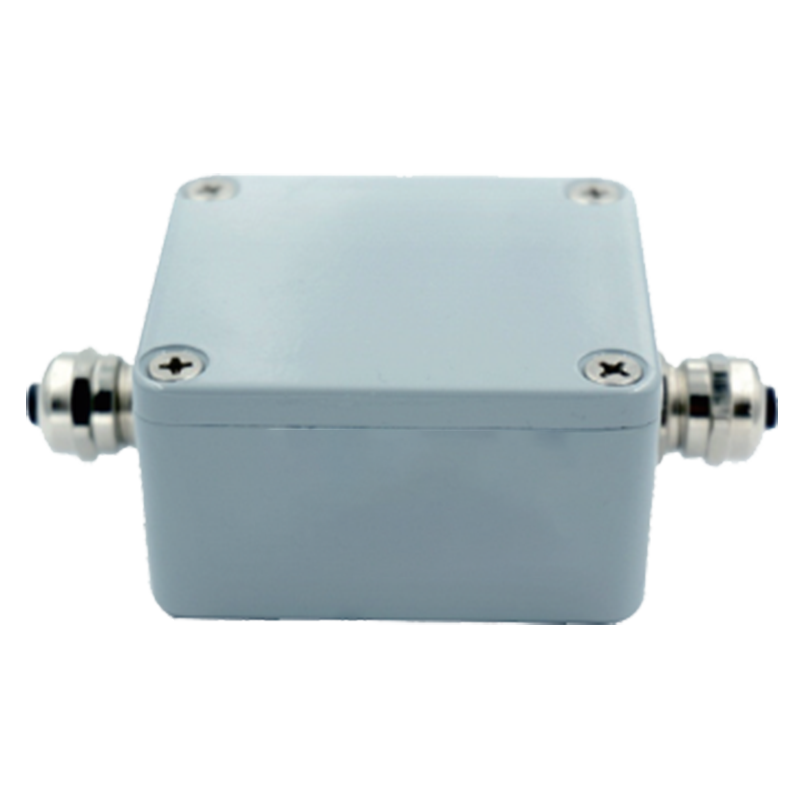
The Versatile Applications of Amplifiers Across Modern Industries
In the era of rapid technological development, amplifiers have become indispensable components in countless applications. From consumer electronics to advanced industrial systems, amplifiers serve as critical devices that boost weak signals into stronger, usable outputs. Their ability to enhance performance, improve sound quality, and maintain signal integrity makes them one of the most widely applied electronic components in both daily life and specialized industries.
-
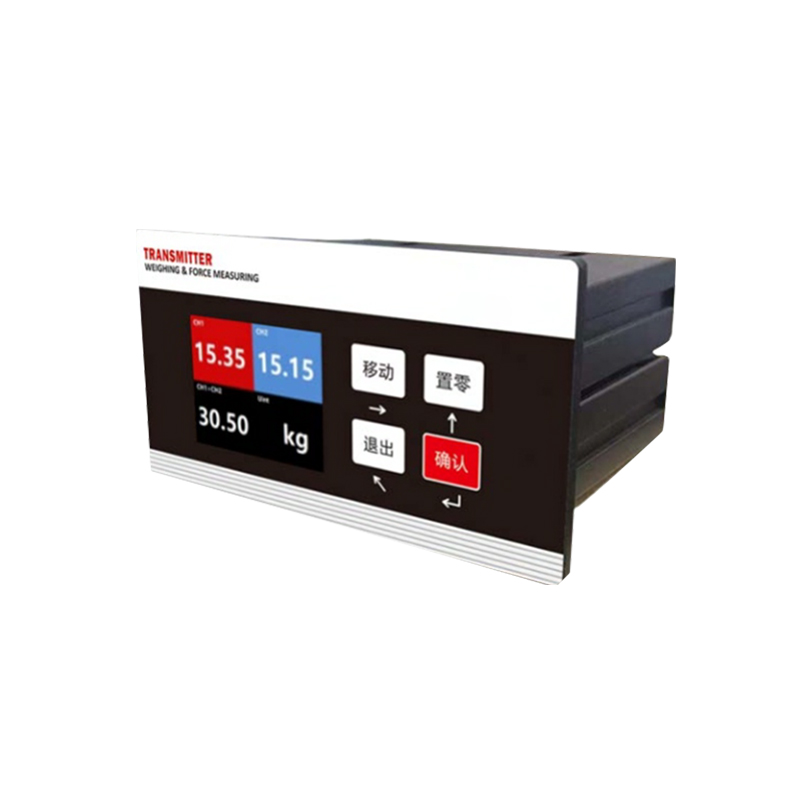
The Expanding Applications of Digital Indicators in Modern Industries
In today’s fast-developing industrial landscape, precision and accuracy have become more important than ever. One tool that plays a vital role in ensuring measurement reliability is the digital indicator. This advanced measuring instrument, also known as a digital dial gauge, has found wide applications across manufacturing, mechanical engineering, quality inspection, and research fields, making it an indispensable device for modern industries.
-
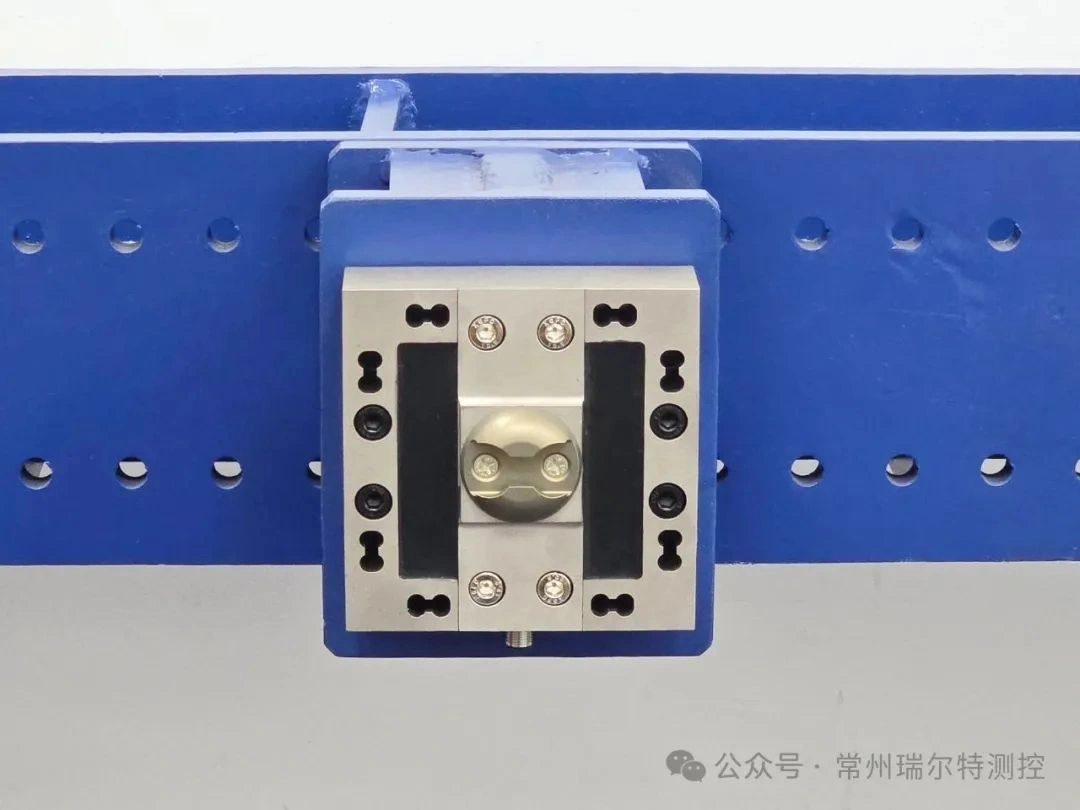
Industry Applications | Application of Right's 48-Channel High-Precision 3D Force Monitoring System in Aircraft Cargo Net 3D Force Acquisition Systems
At 10,000 meters, cargo nets bear not only the weight of the cargo, but also the severe challenges of turbulent impact and rapid centrifugal forces. When a cargo plane flies through high altitudes, the cargo net not only withstands the weight of 20 tons of cargo but also faces three-dimensional impact and tearing.
-
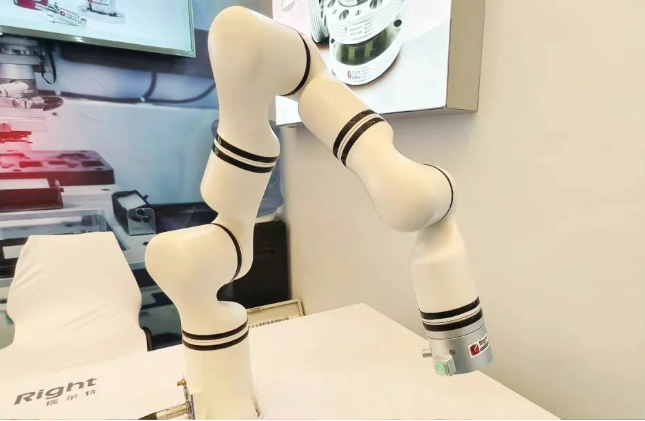
Precision Sensing and Intelligent Driving | Changzhou Right shines with innovative sensing solutions at AHTE 2025
From July 9 to 11, 2025, the 18th Shanghai International Industrial Assembly and Transmission Technology Exhibition (AHTE 2025), which has attracted much attention in the field of global industrial automation and intelligent assembly, was successfully held at the Shanghai New International Expo Center.
-
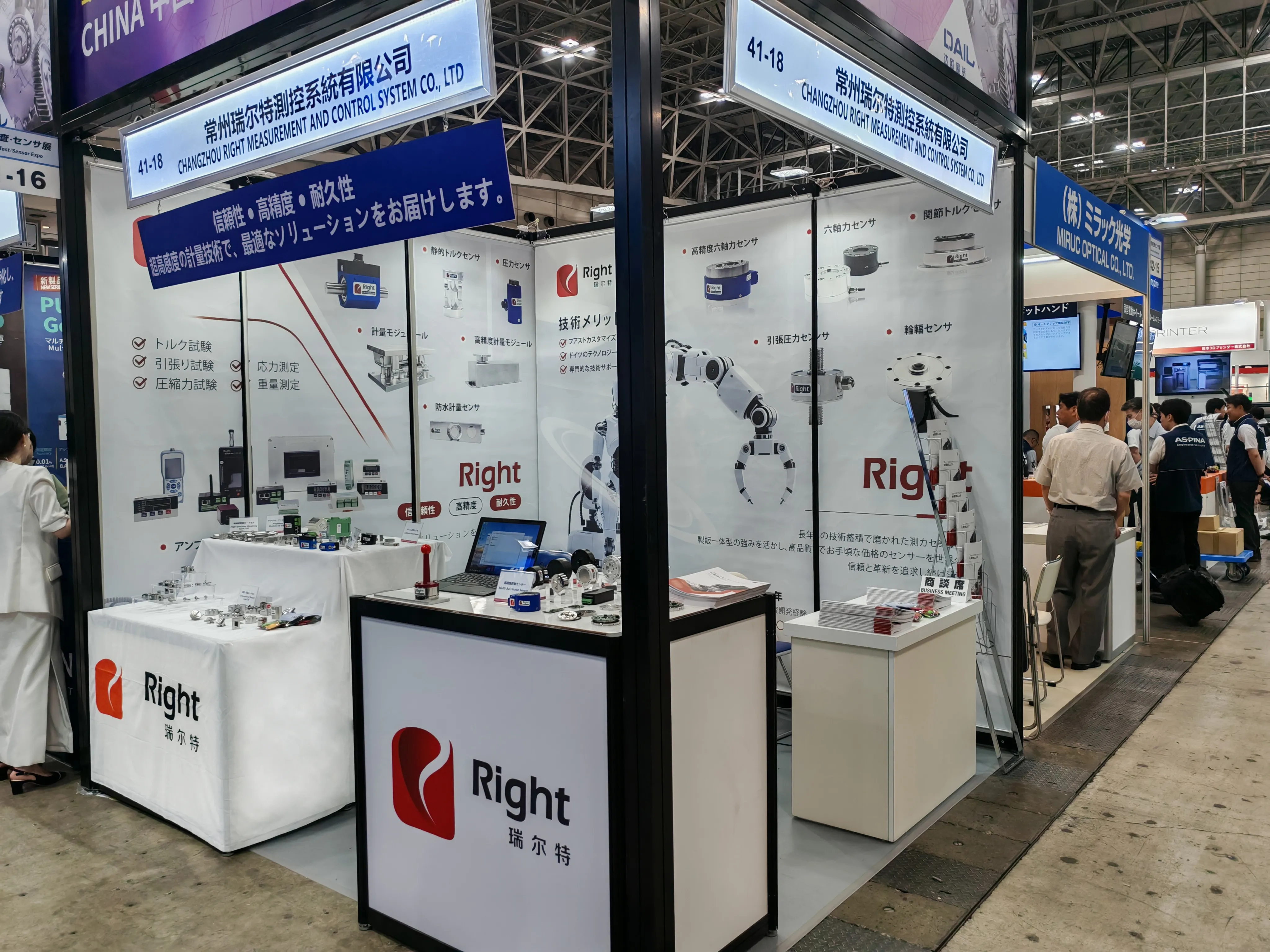
Exhibition Review | Changzhou Right successfully appeared at the 30th ManufacturingWorld Tokyo -Mechanical Components & Materials Technology Expo, and participated in the Asian Manufacturing Event
Exhibition Review | Changzhou Right successfully appeared at the 30th ManufacturingWorld Tokyo -Mechanical Components & Materials Technology Expo, and participated in the Asian Manufacturing Event
-
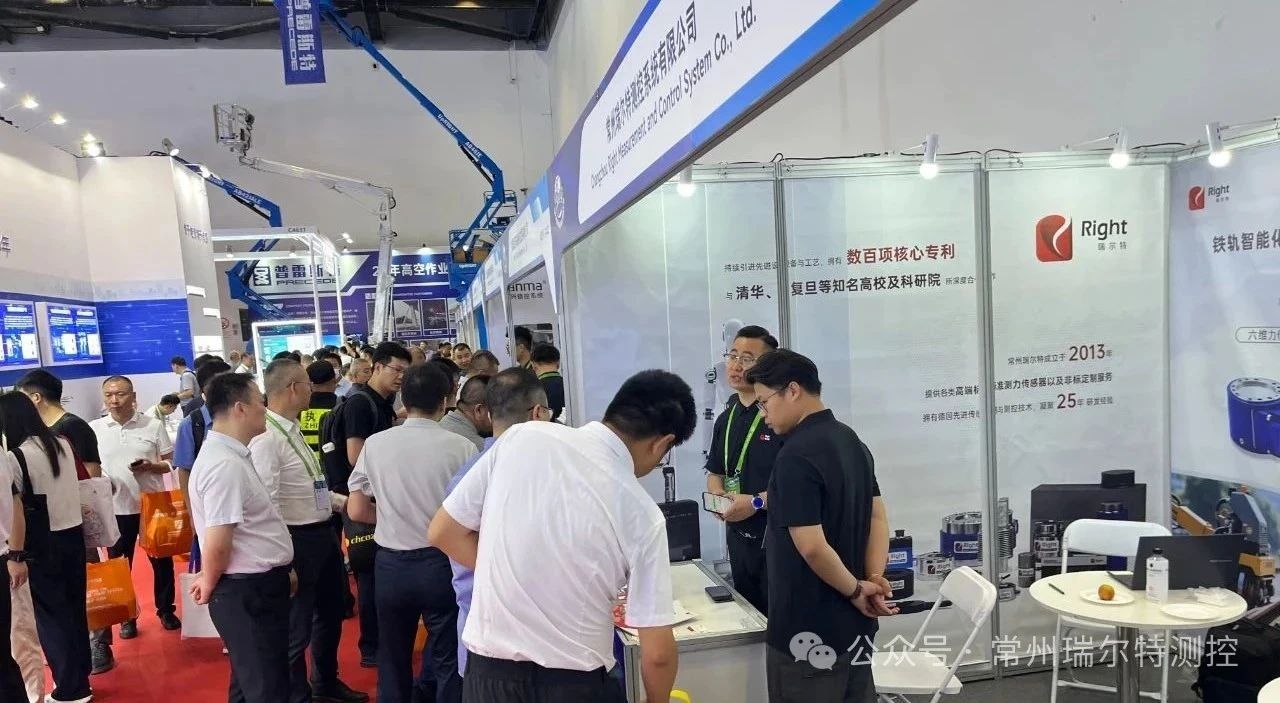
Exhibition Review | Changzhou Right shines at the 17th China International Modern Railway Technology and Equipment Exhibition, innovates sensor technology, and escorts the future of railway safety and intelligence
Beijing, July 8, 2025 —— The 17th China International Modern Railway Technology and Equipment Exhibition (MODERN RAILWAYS), the largest and most internationally influential railway industry event in Asia, was grandly opened at the China National Convention Center in Beijing.
-
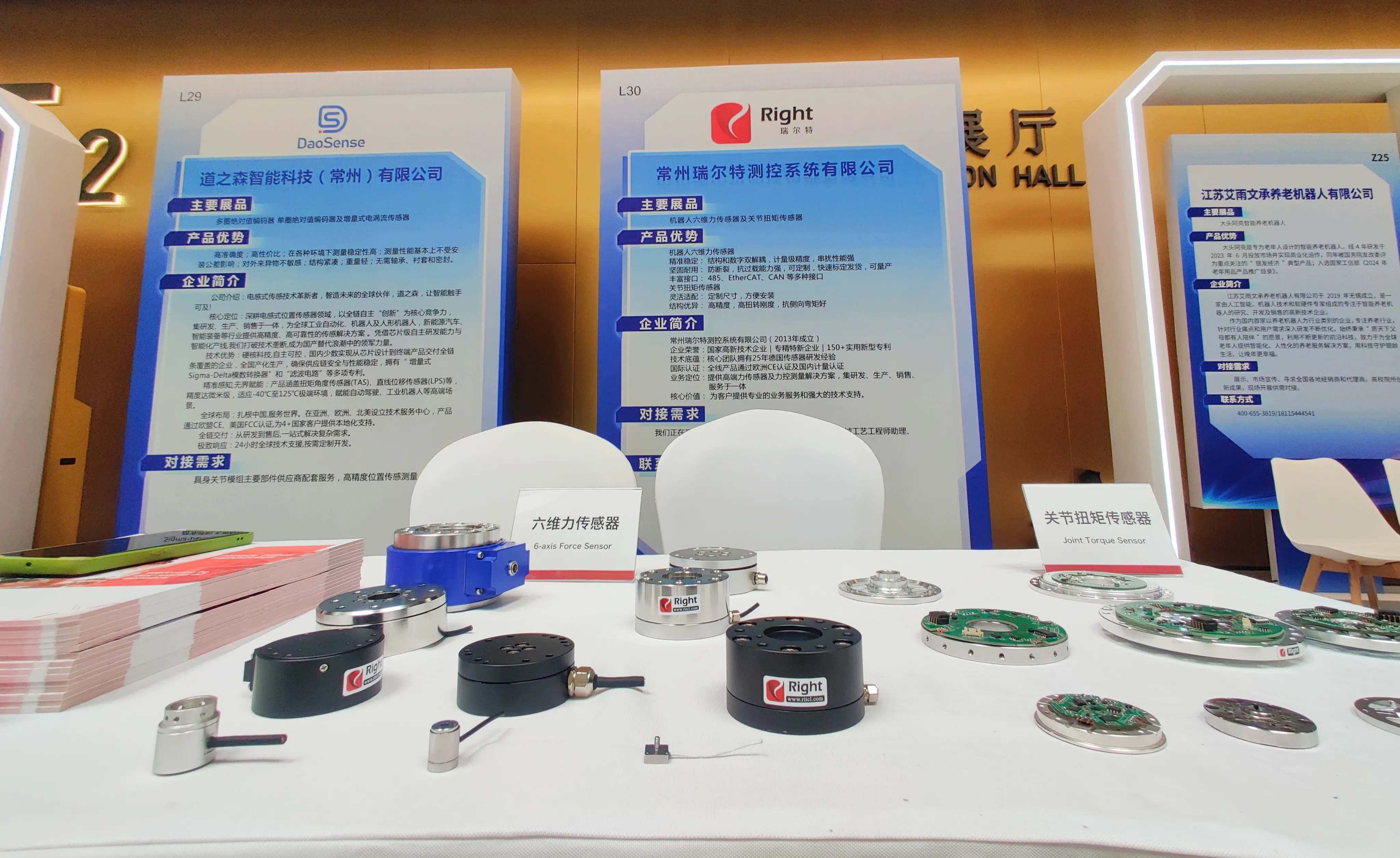
Empowering precise perception, Changzhou Right joins hands with Jiangsu Embodied Intelligent Robot Industry Alliance to jointly launch a new era of AI+Robots!
Empowering precise perception, Changzhou Right joins hands with Jiangsu Embodied Intelligent Robot Industry Alliance to jointly launch a new era of AI+Robots!
-

29TH INTERNATIONAL MACHINE TOOLS,METALWORKING & AUTOMATION TECHNOLOGY EXHIBITION
We warmly invite you to the Malaysia METALTECH & AUTOMEX
-

Changzhou Embodied Intelligent Robot Science and Technology Innovation Center and Right Key Project settled in Wuhan High-tech
Smart Manufacturing Changzhou, "Man and Machine" go hand in hand. On April 29, Changzhou's "Hundreds of Events and Thousands of Enterprises" industrial chain integration and strengthening docking event-1028 Robot Special Event was held. Many authoritative experts in the field of robotics across the country and more than 300 representative enterprises at home and abroad gathered in Wuhan High-tech to gain insight into development trends, link high-quality resources, promote technological innovation, share new opportunities for embodied intelligence, and work together for a new future of digital and real integration.
-
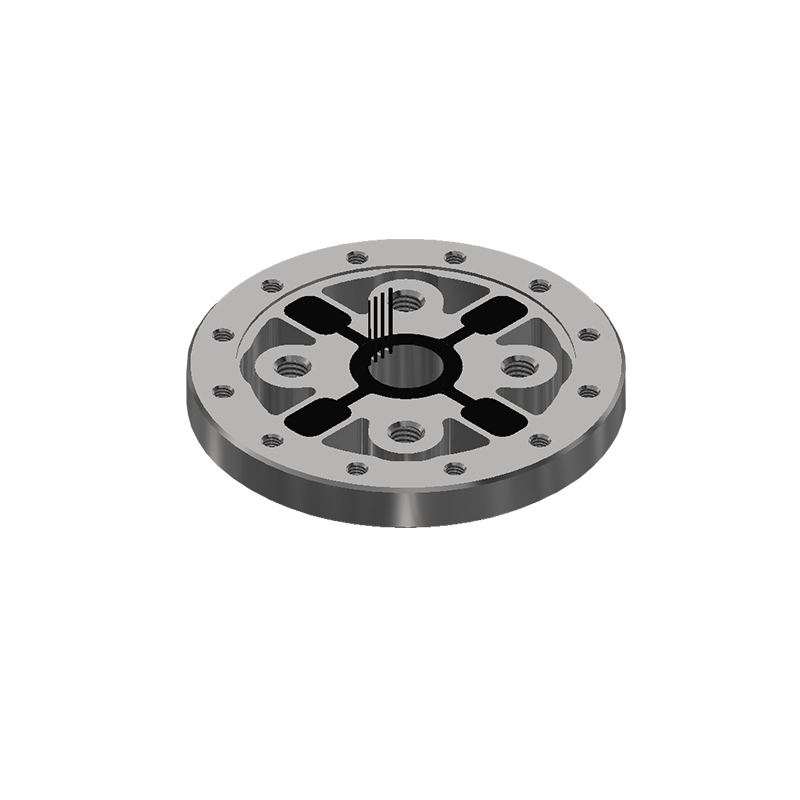
Exploring the Applications of Robot Joint Torque Sensors in Modern Automation
As robotics technology continues to advance, precision and responsiveness are becoming increasingly vital. One component playing a crucial role in this evolution is the robot joint torque sensor—a device that measures the torque or rotational force at a robot’s joint. These sensors are essential for improving the performance, safety, and efficiency of modern robotic systems.
-
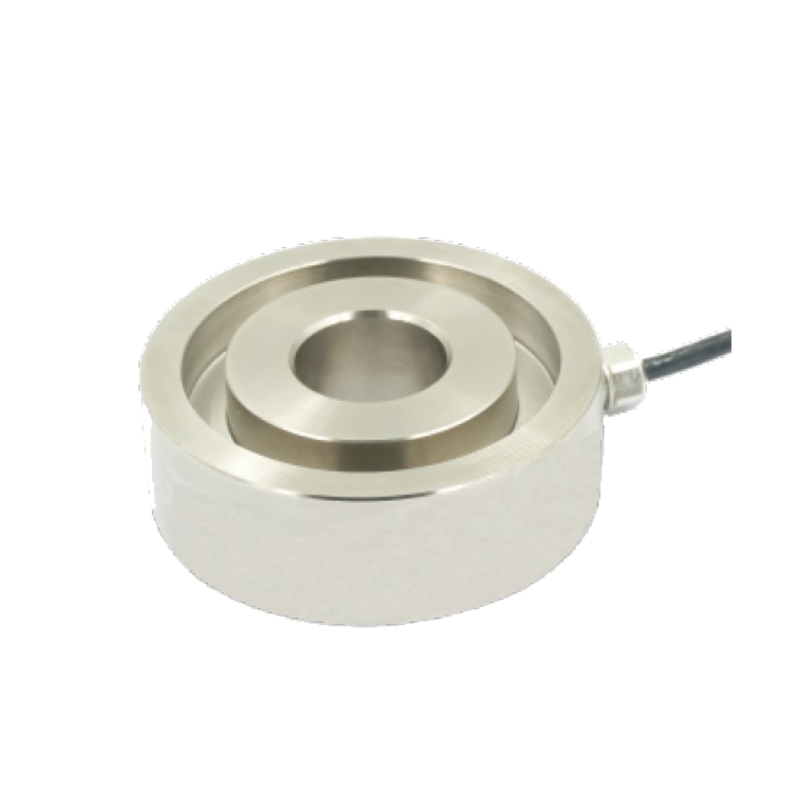
What Does a Force Sensor Detect? Understanding Its Role in Modern Technology
In today’s increasingly automated and precision-driven world, force sensors play a vital role across a wide range of industries. But what exactly does a force sensor detect, and why is it such a critical component in modern machinery and devices?
-
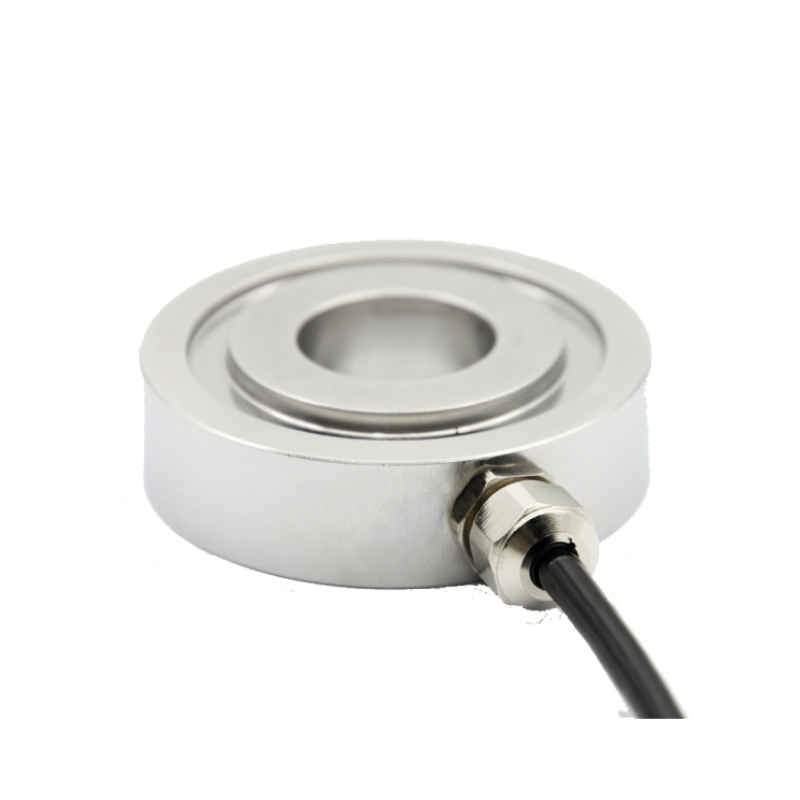
What Is a Ring Type Force Sensor?
In the field of industrial automation, robotics, and precision engineering, accurate force measurement is essential. Among the various force-sensing technologies, the ring type force sensor stands out due to its compact structure and high sensitivity. But what exactly is a ring type force sensor, and how does it work?
-
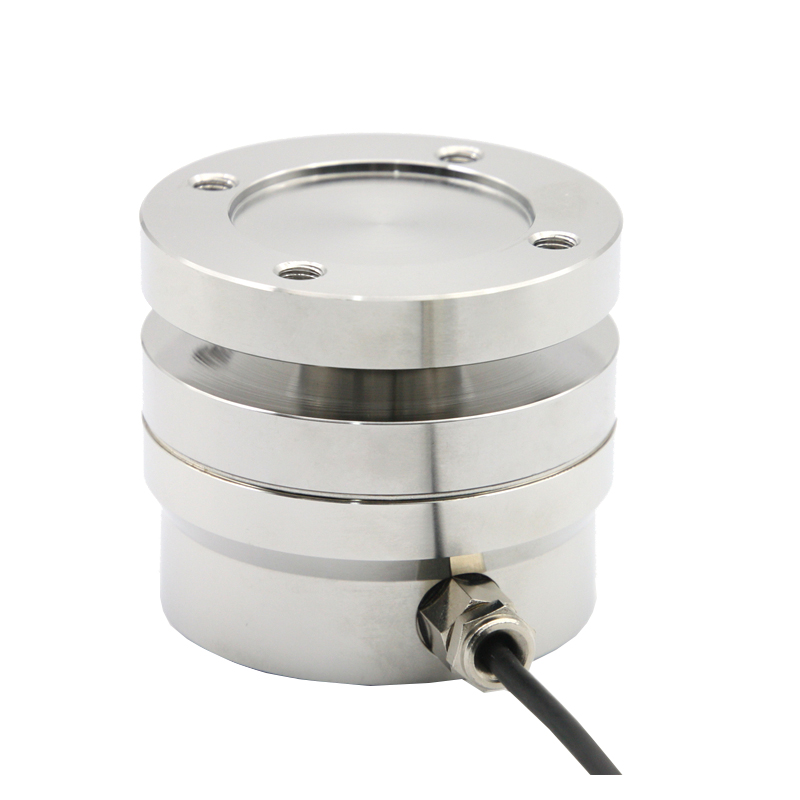
What Is the Difference Between a Force Sensor and a Pressure Sensor
As smart systems, robotics, and industrial automation become more sophisticated, sensors have taken center stage in enabling precision, safety, and efficiency. Among the most commonly used types are force sensors and pressure sensors. While these terms are often used interchangeably, they serve distinct functions and are designed for different measurement purposes. So, what exactly sets them apart?
-

2-Axis Force Sensor vs 3-Axis Force Sensor: Which One Fits Your Application Best?
In the age of smart manufacturing, robotics, and precision testing, force sensors play a vital role in capturing real-time data for control and analysis. Among the most widely used types are 2-axis and 3-axis force sensors. But how do they differ, and which one is the better choice for your specific application?
-
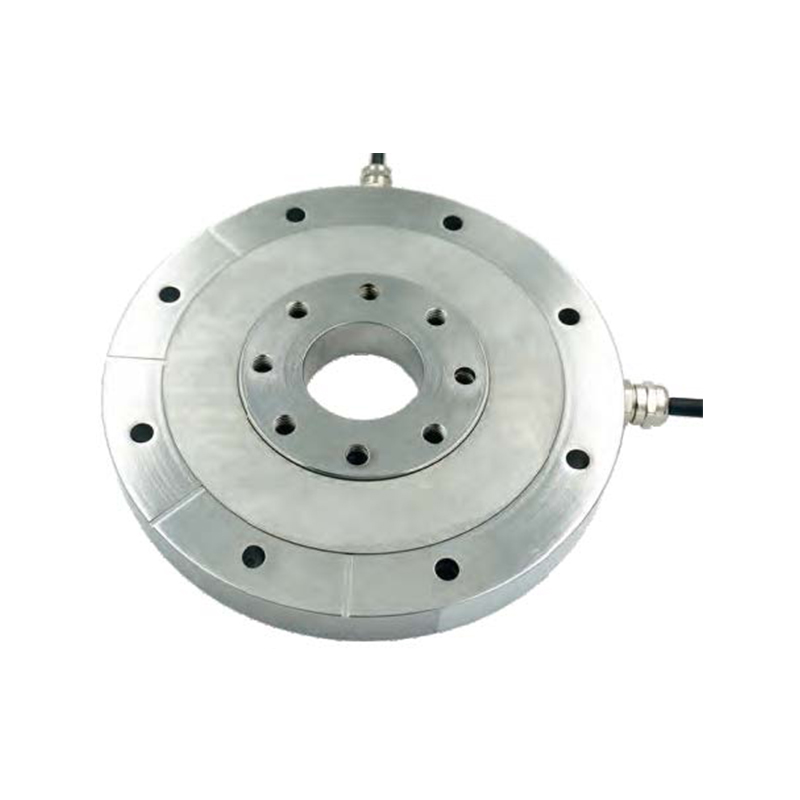
How Does a Dual Range Force Sensor Work?
In today’s high-precision engineering and industrial environments, accurate force measurement is critical. One of the most versatile tools developed to meet this need is the dual range force sensor. But how exactly does this advanced sensor work, and why is it increasingly preferred across applications in robotics, medical devices, and automated testing systems?
-
How to choose a tension pressure sensor?
When choosing a tension pressure sensor, you must first determine what force is being measured. Force sensors are divided into mechanical force and pneumatic (hydraulic) force.
-
Design and research of a new type of high-precision six-axis force sensor
Traditional single-axis force sensors can no longer meet the needs of modern production and technology. Six-axis force sensors are increasingly attracting the attention of many scholars.
-

Working principle of pressure sensor
Pressure sensor is actually receiving more and more attention due to its simple structure, excellent linearity and stability, and high output accuracy.
-

Sharing of knowledge about torque sensors
The torque sensor can currently be divided into two types: contact and non-contact. The non-contact torque sensor is also called a sliding variable torque sensor.
-
What is a force sensor? What are its types?
Force is the direct cause of the change in the movement of matter. Force sensors can detect mechanical quantities such as tension, pull, pressure, weight, torque, internal stress and strain.


